
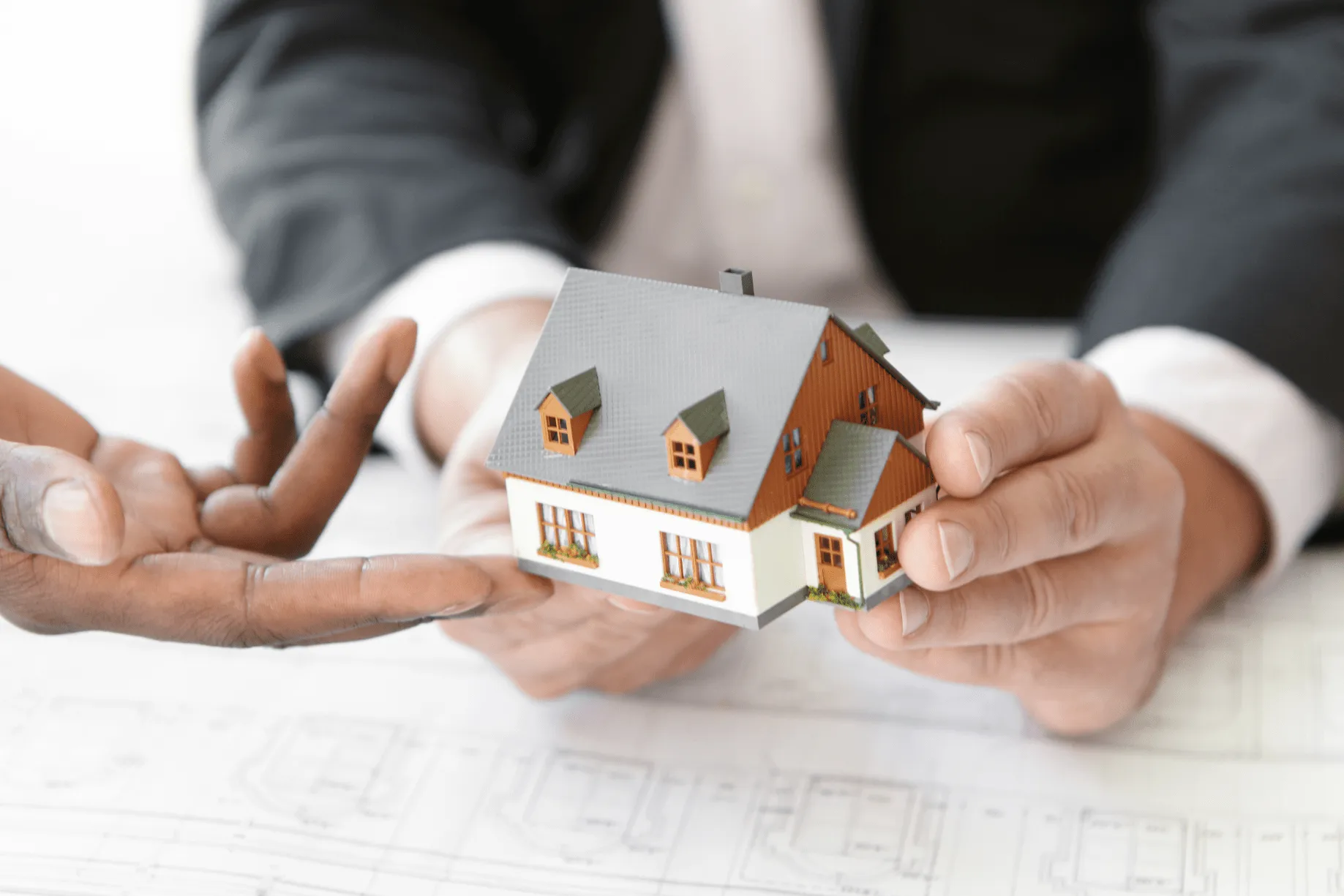
Buying a new home—whether it’s your first or your tenth—is an exciting milestone. However, the home-buying process can also feel overwhelming and time-consuming. With the right preparation and guidance, you can simplify the process and move into your dream home with confidence.
This step-by-step guide will help you stay organized and make informed decisions as you search for your new home.
Start Your Home Search
Before visiting your first open house or scheduling a property showing, take some time to prepare. Asking yourself the following questions will help you stay focused and avoid unnecessary stress during your search.
Determine Your Budget
Understanding how much home you can afford is the first and most important step. Use a mortgage calculator to estimate your monthly payment and determine your ideal purchase price.
Remember that your monthly housing expenses include more than just the mortgage payment. You should also consider:
- Property taxes
- Homeowners insurance
- Principal and interest on your loan
- Maintenance and repair costs
- Utility expenses
Having a clear financial plan will help you shop for homes that truly fit your budget.
Decide What Type of Home You Want
Next, identify the features that matter most to you in a home. Start with the basics, such as:
- Number of bedrooms
- Number of bathrooms
- Home size and layout
You should also consider other important factors like:
- Lot or yard size
- Neighborhood and school district
- Interior features such as appliances or storage space
- Exterior amenities like a garage or fenced yard
- Accessibility and commute distance
A helpful strategy is to divide your preferences into three categories:
Must-Have Features – Essentials you cannot compromise on
Nice-to-Have Features – Desirable but not necessary
Must-Avoid Features – Things that would prevent you from buying the home
Browsing online property listings can also give you a better idea of what is currently available in your target area.
Work With a Real Estate Professional
Partnering with a qualified real estate agent or Realtor can make the home-buying process much easier—especially if you are a first-time buyer.
An experienced agent can help you:
- Find properties that match your criteria
- Schedule property showings
- Negotiate with sellers
- Navigate paperwork and legal steps
Ask friends, family members, coworkers, or neighbors for recommendations to find a trusted real estate professional.
Viewing Homes
Touring homes is one of the most enjoyable parts of the home-buying process. Once you understand your budget and have a clear idea of what you’re looking for, you can begin visiting properties.
You can:
- Attend open houses
- Schedule private showings with your agent
When visiting a home, take your time and examine every room carefully. Pay attention to details such as:
- The condition of floors, walls, and ceilings
- Plumbing fixtures and electrical outlets
- Storage space and layout
- Natural lighting and ventilation
Sellers understand that buying a home is a major decision, so don’t hesitate to explore the property thoroughly and ask questions.
Opportunities for Finding a Great Deal
In some situations, buyers may find homes at lower prices due to special circumstances. Understanding these options can help you identify opportunities.
Short Sales
A short sale occurs when a homeowner needs to sell their property but cannot receive enough money from the sale to pay off their existing mortgage.
Because the lender must approve the transaction, short sales often take longer to complete. However, they can sometimes offer buyers the opportunity to purchase a home below market value.
Foreclosures
Foreclosure happens when a homeowner fails to make mortgage payments and the lender takes possession of the property.
Since lenders typically want to sell the property quickly, foreclosure homes are often listed at lower prices. However, these homes may require repairs or maintenance, especially if they have been vacant for a long time. A thorough home inspection is highly recommended before purchasing.
Starter Homes
If your dream home is currently outside your budget, consider purchasing a starter home.
Starter homes are typically:
- Smaller properties
- Homes with fewer luxury features
- Located in more affordable areas
They provide a great opportunity to begin building equity while enjoying the benefits of homeownership. When you’re ready to upgrade in the future, starter homes are usually in high demand and can be easier to sell.